
How to Make Your Home Look More Luxurious Without a Full Renovation
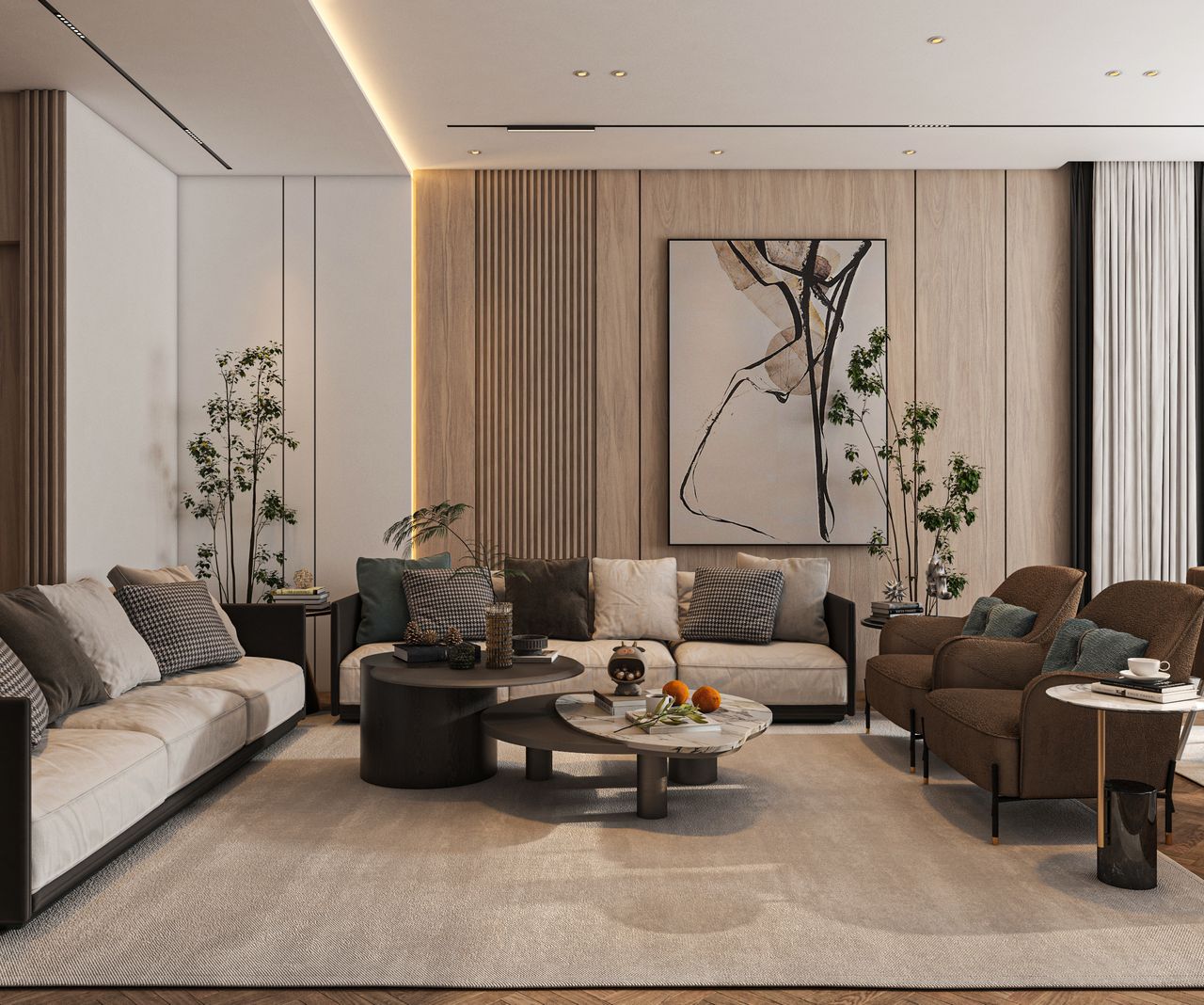
A luxurious home is not always about expensive furniture, large spaces, or complete renovations. Often, the feeling of elegance comes from thoughtful design choices, balanced colors, quality materials, and carefully selected details.
Modern interior design focuses on creating spaces that feel comfortable, personalized, and visually appealing. With the right improvements, even a simple room can achieve a premium look without the cost and inconvenience of major construction work.
Whether you are updating your living room, bedroom, office, or entire home, small design changes can create a significant impact. From improving lighting to adding architectural details, there are many ways to enhance your interior without starting from scratch.
In this guide, we will explore practical interior design ideas that can help transform your home into a more stylish and sophisticated space.
1. Create a Strong Focal Point in Each Room
Every well-designed room needs a visual element that immediately attracts attention. This is known as a focal point.
A focal point gives the space character and prevents the room from feeling plain or unfinished. It can be created through a statement furniture piece, a textured surface, an artistic feature, or a carefully designed architectural element.
For example, a living room can become more attractive by highlighting one main area behind the sofa or television wall. Similarly, a bedroom can feel more elegant when the area behind the bed is designed thoughtfully.
The key is to avoid overcrowding the room. Luxury interiors usually follow the principle of “less but better,” where every element has a purpose.
2. Upgrade Your Lighting Design
Lighting is one of the most powerful tools in interior design. Even a beautifully decorated room can look ordinary with poor lighting.
Instead of relying only on one central light source, use layered lighting:
- Ambient lighting for overall brightness
- Task lighting for specific activities
- Accent lighting to highlight design features
Warm lighting often creates a comfortable and premium atmosphere, while strategically placed lights can emphasize textures, artwork, and architectural details.
Adding modern lighting around decorative features or textured surfaces can completely change the mood of a room.
3. Choose a Sophisticated Color Palette
Colors strongly influence how a space feels. Luxury interiors often use balanced color combinations rather than excessive bright shades.
Neutral tones such as:
- Beige
- Cream
- Grey
- White
- Charcoal
create a timeless appearance and provide flexibility for adding decorative elements.
You can introduce depth through accent colors such as deep green, navy blue, bronze, or black. These shades add personality while maintaining an elegant look.
The goal is not to follow every trend but to choose colors that match your lifestyle and create a comfortable environment.
4. Add Texture to Make Spaces More Interesting
A room with only smooth surfaces can feel flat. Professional interior designers often combine different textures to create visual richness.
Examples include:
- Soft fabrics
- Wooden surfaces
- Natural stone finishes
- Glass elements
- Textured decorative features
Textures create depth and make interiors feel more carefully designed.
Even small additions, such as textured panels, decorative accents, or premium finishes, can make a noticeable difference.
5. Focus on Quality Over Quantity
A common mistake in home decoration is adding too many items. Luxury interiors usually avoid unnecessary decoration and focus on carefully selected pieces.
Instead of filling every empty space, choose items that complement the overall design style.
A few high-quality design elements can create a stronger impression than many low-impact accessories.
Consider:
- The size of the room
- Existing furniture
- Color balance
- Material quality
- Overall theme
before adding new elements.
6. Improve Your Walls With Thoughtful Design Elements
Walls occupy a large visual area in every room, which makes them important in interior planning.
Plain walls can sometimes make a space feel incomplete. Adding carefully selected design features can improve the overall atmosphere.
Popular approaches include:
- Feature walls
- Textured surfaces
- Artistic elements
- Decorative architectural details
The right wall treatment should match the room’s purpose and maintain harmony with other design elements.
7. Use Mirrors and Reflective Surfaces
Mirrors are a practical way to make rooms appear larger and brighter. They reflect natural and artificial light, creating a more open feeling.
For smaller spaces, strategically placed mirrors can improve the sense of depth.
However, placement is important. A mirror should reflect something visually appealing rather than creating unnecessary distractions.
Combining mirrors with elegant frames or surrounding design elements can also enhance the overall appearance.
8. Bring Nature Into Your Interior Design
Natural elements create balance and warmth in modern homes.
Adding plants, natural materials, and organic textures can make interiors feel more relaxing and inviting.
Indoor greenery can:
- Improve visual appeal
- Add freshness
- Create a connection with nature
Natural elements work well with both modern and traditional interior styles.
9. Keep Your Space Organized and Balanced
A luxurious home is not only about decoration; it is also about organization.
Clutter can reduce the impact of even expensive design features.
Use smart storage solutions and maintain clean visual lines throughout your home.
A well-organized space feels larger, calmer, and more sophisticated.
10. Add Personalized Design Details
The most attractive interiors reflect the personality of the homeowner.
Personalized design elements make a space unique and memorable.
These can include:
- Custom decorative features
- Family-inspired designs
- Artwork
- Special architectural details
Personal touches create emotional value and make your home feel truly yours.
Why Small Interior Changes Create a Big Impact
Many homeowners believe achieving a luxury look requires a complete renovation. However, interior design is often about improving specific details that influence the overall experience.
A better lighting arrangement, improved color combination, carefully selected materials, and personalized decor choices can completely refresh a home.
The purpose of interior design is not only to make spaces look beautiful but also to make them functional, comfortable, and meaningful.
Final Thoughts
Creating a luxurious home does not always require major construction or a large budget. With thoughtful planning and strategic improvements, you can transform your existing space into an elegant and comfortable environment.
Focus on elements that create long-term value: balanced colors, quality materials, effective lighting, organized layouts, and personalized details.
A beautifully designed home is created through careful choices that reflect your style and the way you want to experience your space every day.
FAQs
1. Can I make my home look luxurious without renovation?
Yes, small upgrades such as improved lighting, better color choices, organized spaces, and premium decorative elements can significantly improve your home’s appearance without major renovation.
2. What makes an interior design look expensive?
A combination of balanced colors, quality materials, proper lighting, clean layouts, and carefully selected design elements creates a premium appearance.
3. How can I improve my living room design?
Focus on creating a focal point, improving lighting, choosing complementary colors, and adding meaningful decorative features that match your style.
4. Is luxury interior design only for large homes?
No. Good design principles can be applied to homes of any size. Small spaces can also look elegant with proper planning and efficient use of space.
5. How often should home interiors be updated?
There is no fixed timeline. Many homeowners refresh interiors when their lifestyle changes or when certain elements become outdated.